Paver Installation Cost in 2026: Full Homeowner’s Guide
Pavers have become one of the most popular ways to upgrade outdoor living areas, offering both beauty and durability. Whether it’s for driveways, patios, walkways, or pool decks, pavers provide a stylish and practical alternative to plain concrete or asphalt. Available in a wide range of materials, colors, and patterns, they can dramatically boost curb appeal while standing up to decades of wear.
If you’re planning a paver installation project in 2026, it’s important to understand the Paver Installation Cost breakdown before you begin. Project expenses can vary significantly depending on the type of paver you choose, the size and complexity of the job, and local labor rates. By knowing what to expect ahead of time, you can plan your budget wisely, avoid hidden costs, and ensure your investment delivers lasting value.
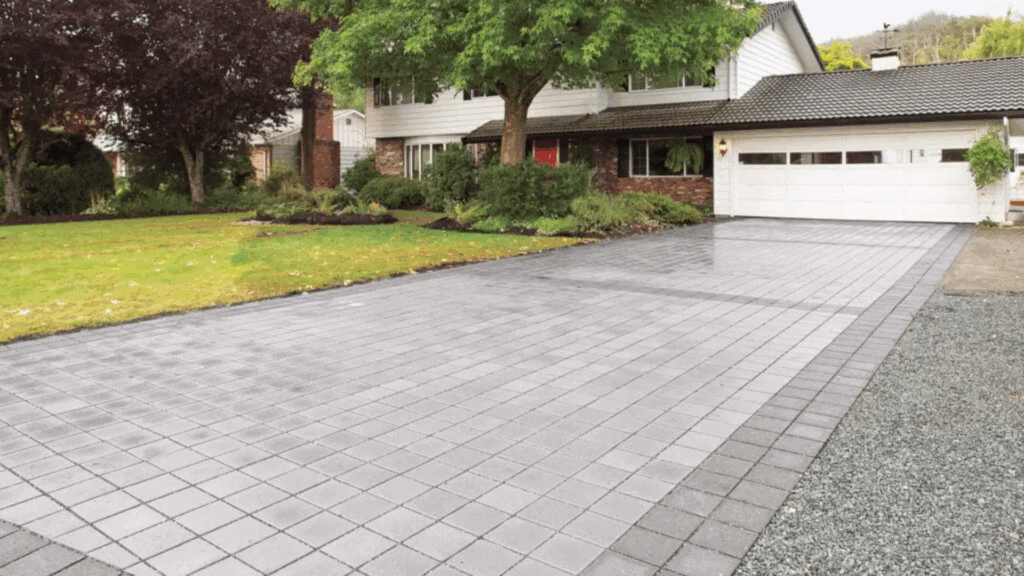
This guide explores average 2026 paver installation costs, the main factors that affect pricing, and practical ways to save without compromising on quality.
Average Paver Installation Costs in 2026
Paver installation pricing depends on the material, labor, and site conditions. For a typical 300 sq. ft. patio or walkway, homeowners can expect to spend between $2,400 and $10,500. Here’s a closer look at the average per-square-foot costs by material type:
| Type of Paver | Average Cost per Sq. Ft. | Notes |
| Concrete Pavers | $8 – $15 | Affordable, low-maintenance, and durable |
| Brick Pavers | $10 – $25 | Traditional appearance, long-lasting, moderate labor cost |
| Natural Stone | $15 – $30 | Elegant look, premium pricing and installation |
| Porcelain Pavers | $20 – $35 | Sleek, modern, best installed by professionals |
Key Factors That Influence Paver Installation Pricing
Several variables contribute to the total project cost:
- Material Type: Natural stone and porcelain typically cost more than concrete or brick.
- Project Size: Larger projects lower the per-square-foot price but increase total cost.
- Design Complexity: Decorative patterns, curves, and custom borders require more labor.
- Site Preparation: Grading, excavation, or removing old surfaces can increase pricing.
- Base Materials: A solid base of gravel and sand ($2–$5 per sq. ft.) is critical for stability.
- Local Labor Rates: Costs vary by region; urban areas tend to have higher labor fees.
- Extras: Edging, lighting, sealers, or drainage systems will add to the final price.
Step-by-Step Paver Installation Process
Knowing the standard installation process helps you understand what you’re paying for and ensures contractors follow best practices:
- Site Evaluation & Design Planning – Marking the area, choosing patterns, and confirming materials.
- Excavation & Grading – Removing soil or old concrete and leveling the base.
- Base Preparation – Laying and compacting gravel and sand for a stable foundation.
- Edge Restraints Installation – Keeps pavers from shifting over time.
- Paver Laying – Placing pavers according to the chosen pattern.
- Cutting & Fitting – Trimming edges for curves and tight corners.
- Compacting & Sand Filling – Compacting the surface and filling joints with sand.
- Sealing (Optional) – Protects against stains, fading, and weed growth.
Maintenance Costs and Lifespan
One of the biggest advantages of pavers is their longevity. With the right care, they can last 20–30 years or more. Here’s what ongoing maintenance typically looks like:
Maintenance Expenses
- Sealing: $0.50–$2 per sq. ft. every 2–3 years to prevent stains and fading.
- Cleaning: Regular sweeping and occasional power washing ($100–$300) keep surfaces fresh.
- Repairs: Individual pavers can be replaced for $5–$25 each; re-leveling sections costs $300–$700.
Longevity Factors
- Material Quality: Premium stone or well-made concrete lasts longest.
- Installation Quality: A properly compacted base prevents shifting and cracking.
- Climate Conditions: Freeze-thaw cycles or heavy rain can affect settling.
- Usage: High-traffic driveways may require more upkeep than patios.
DIY vs Professional Installation
Homeowners can choose between installing pavers themselves or hiring professionals. Each approach has its pros and cons:
| Feature | DIY | Professional |
| Cost | $5–$20 per sq. ft. (materials + tools) | $15–$35 per sq. ft. (labor + materials) |
| Time | Longer—may take days or weeks | Faster—1 to 3 days for most projects |
| Skill | Requires moderate skill; errors can be costly | Expert installation ensures precision |
| Tools | Must rent/buy a compactor, saw, etc. | All equipment provided |
| Quality | Risk of uneven or shifting pavers | Proper base, leveling, and drainage guaranteed |
| Warranty | None; all repairs are on you | Most contractors offer workmanship warranties |
| Design Flexibility | Limited by personal skill | Wide range of custom patterns and finishes |
Cost-Saving Tips for Paver Installation
If you’re looking to keep your project budget-friendly without cutting corners, consider these strategies:
- Collect Multiple Quotes: Compare offers from several reputable contractors.
- Select Budget-Friendly Materials: Concrete pavers are strong and affordable.
- Opt for Simple Designs: Avoid intricate patterns to reduce labor costs.
- Prepare the Site Properly: Good preparation prevents future repairs.
- Book Off-Season: Many installers offer discounts during slower months.
Final Thoughts
Installing pavers is a smart investment that enhances both the look and functionality of your outdoor spaces. In 2026, costs typically range between $8 and $35 per square foot, depending on the materials and design. By understanding pricing factors, planning carefully, and maintaining your pavers, you can enjoy a beautiful, long-lasting surface for decades.
Whether you’re planning a new patio, driveway, or garden walkway, partnering with experienced local professionals ensures the job is done right the first time.