Concrete Driveway Costs in 2026: What to Expect
A concrete driveway is more than just a place to park your car, it’s a lasting upgrade that boosts your home’s value, enhances curb appeal, and improves daily convenience. Compared to gravel or asphalt, concrete stands out for its strength, low maintenance, and clean, modern look. With proper installation and care, a concrete driveway can last 25 to 40 years or longer.
In 2026, the cost to install or replace a concrete driveway varies depending on size, thickness, reinforcement, design, and finish type. Homeowners can expect to spend anywhere from a few thousand dollars for a basic plain finish to a higher investment for stamped or decorative designs.
This detailed guide breaks down average 2026 concrete driveway prices, major cost drivers, different finish types, installation steps, and cost-saving strategies.
Average Concrete Driveway Cost in 2026
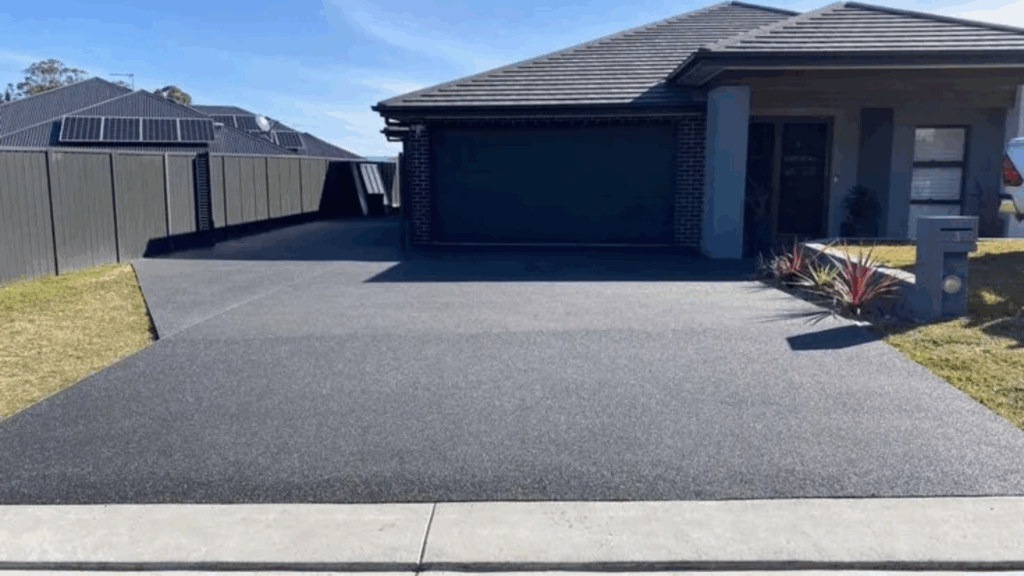
In 2026, most homeowners will spend between $4 and $15 per square foot for a new concrete driveway.
| Driveway Size | Square Footage | Average Cost Range |
| Small (10×20 ft) | 200 sq. ft. | $800 – $3,000 |
| Medium (20×20 ft) | 400 sq. ft. | $1,600 – $6,000 |
| Large (20×40 ft) | 800 sq. ft. | $3,200 – $12,000 |
Pro Tip: Expect higher prices in urban areas, where labor rates and permit fees can drive up total costs.
Factors That Affect Concrete Driveway Cost
Several things can change the total price of a concrete driveway. Here are the main ones:
- Size of the Driveway – Larger areas require more concrete, reinforcement, and labor.
- Finish Type – Decorative techniques such as stamped or colored concrete add to the overall price.
- Thickness & Reinforcement – A typical driveway uses a 4-inch slab, while a 6-inch slab with rebar or mesh is more expensive but provides greater strength.
- Site Preparation – If the ground needs grading, excavation, or removal of an old surface, expect extra charges.
- Local Labor & Permits – Regional labor costs and municipal regulations can significantly affect your budget.
According to the National Ready Mixed Concrete Association, concrete remains one of the most cost-efficient driveway materials long-term thanks to its durability and low upkeep.
Cost Breakdown by Concrete Type
The finish style has one of the biggest impacts on your total investment:
| Type | Average Cost (per sq. ft.) | Description |
| Plain Concrete | $4 – $8 | Simple, smooth finish ideal for functionality and budget-conscious homeowners. |
| Stamped Concrete | $8 – $15 | Patterned to replicate materials like stone, tile, or brick. Offers high-end aesthetics but needs skilled labor. |
| Colored Concrete | $6 – $12 | Pigments added or applied for decorative appeal. Great for custom designs that match your home’s exterior. |
| Exposed Aggregate | $7 – $14 | Surface layer removed to reveal decorative stones, giving a slip-resistant, textured finish. |
Extra Costs You Might Encounter
Beyond basic installation, don’t forget to factor in these potential add-ons:
- Sealing & Maintenance: $0.50–$2 per sq. ft. every 3–5 years
- Drainage Solutions: $500–$2,500 depending on site slope
- Heated Driveway Systems: $12–$25 per sq. ft. for snow-melt convenience
- Decorative Borders & Patterns: $5–$10 per linear foot
Step-by-Step Installation Process
The construction process impacts both timeline and cost:
- Site Preparation – The old surface or vegetation is removed, and the ground is leveled for proper drainage.
- Base Installation – A gravel or crushed stone base is laid and compacted to support the slab and reduce future cracking.
- Pouring & Leveling – Fresh concrete is poured, spread, and leveled with precise grading to direct water runoff.
- Finishing & Curing – Decorative elements like stamping or coloring are applied. The concrete cures for 7–10 days before regular use.
- Sealing – A protective sealant is added to guard against moisture, stains, and wear.
How to Maintain a Concrete Driveway for Long-Lasting Results
With proper installation and upkeep, a concrete driveway can last 30–40 years or more. Basic maintenance includes:
- Regular cleaning to remove debris and stains
- Resealing every 3–5 years
- Prompt crack repair to prevent further damage
- Avoiding harsh deicers in winter
- Limiting frequent heavy vehicle parking
Replace or resurface your driveway when you see widespread cracking, flaking, pooling water, or structural damage.
DIY vs. Professional Installation
| Feature | DIY Installation | Professional Installation |
| Upfront Cost | Lower (no labor fees) | Higher (includes skilled labor) |
| Tools & Equipment | Must be rented or purchased | Included in contractor services |
| Skill Required | Advanced DIY experience needed | Experienced crew ensures quality |
| Timeline | Longer, depends on personal availability | Faster and more predictable |
| Quality & Durability | Risk of uneven finish or cracks | Proper grading, reinforcement, and curing |
| Permits & Prep | Homeowner handles all | Contractor manages approvals and prep |
| Best For | Small or simple projects | Full-scale or decorative driveways |
Final Thoughts
Having a clear understanding of concrete driveway costs in 2026 allows you to budget accurately and avoid unexpected surprises. Whether you’re upgrading an old surface or installing a brand-new driveway, the right materials, thickness, and finish will provide decades of reliable performance and visual appeal.
For accurate pricing, request quotes from licensed concrete contractors in your area to compare costs and choose the best value for your project., or garden walkway, partnering with experienced local professionals ensures the job is done right the first time